For someone waiting years to experience parenthood, a donated egg can become the beginning of a life-changing possibility. Behind every egg donation journey is a woman who chooses to contribute to this process through careful medical evaluation and support.
Egg donation is not simply about providing eggs; it involves understanding eligibility, undergoing medical screening, following a structured treatment process, and making an informed decision. This guide explains how egg donation works in India, who can become an egg donor, the medical steps involved, safety considerations, and the legal framework that guides the process.
Understanding Egg Donation and Its Role in IVF Treatment
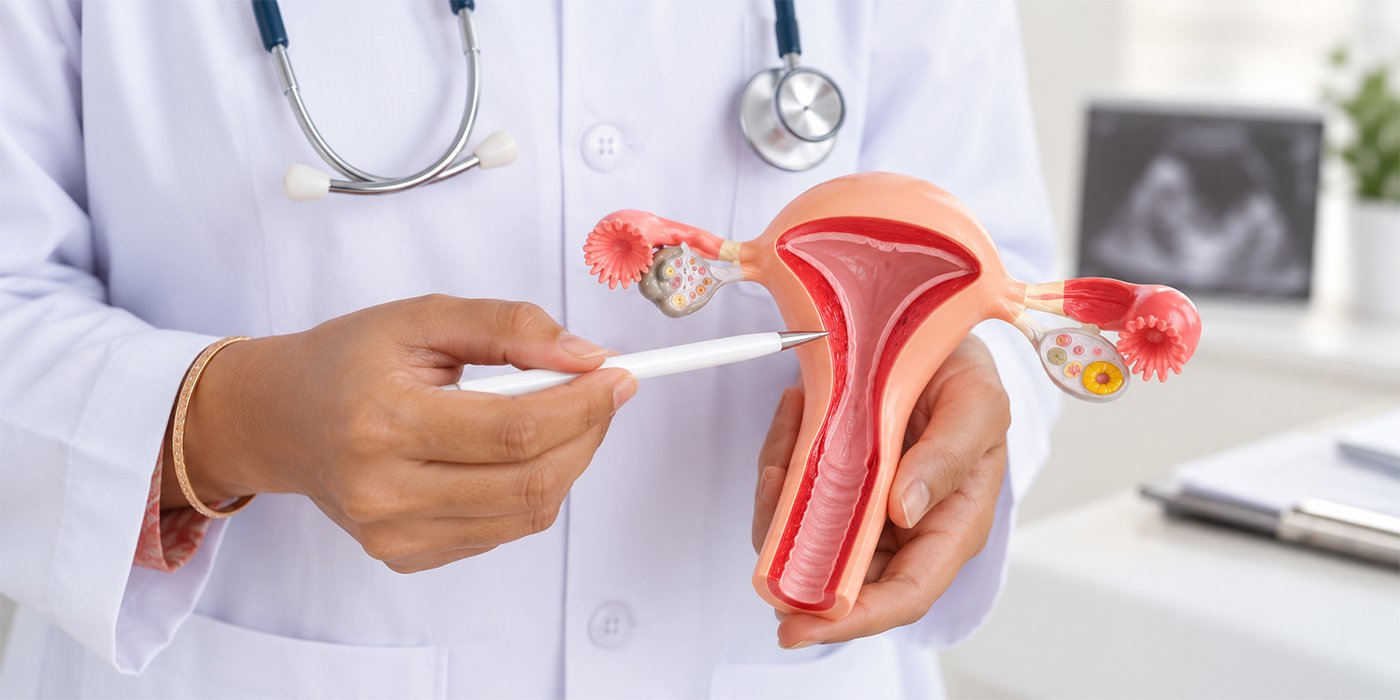
Egg donation is an assisted reproductive process where eggs from a healthy donor are used to help individuals or couples who may not be able to conceive using their own eggs. The donated eggs are fertilised with sperm in a laboratory through IVF, and the resulting embryos may then be transferred to the intended mother or gestational carrier, depending on the treatment plan.
Egg donation is often considered when there are concerns such as reduced ovarian reserve, advanced maternal age, certain genetic conditions, or previous unsuccessful IVF attempts due to egg-related factors.
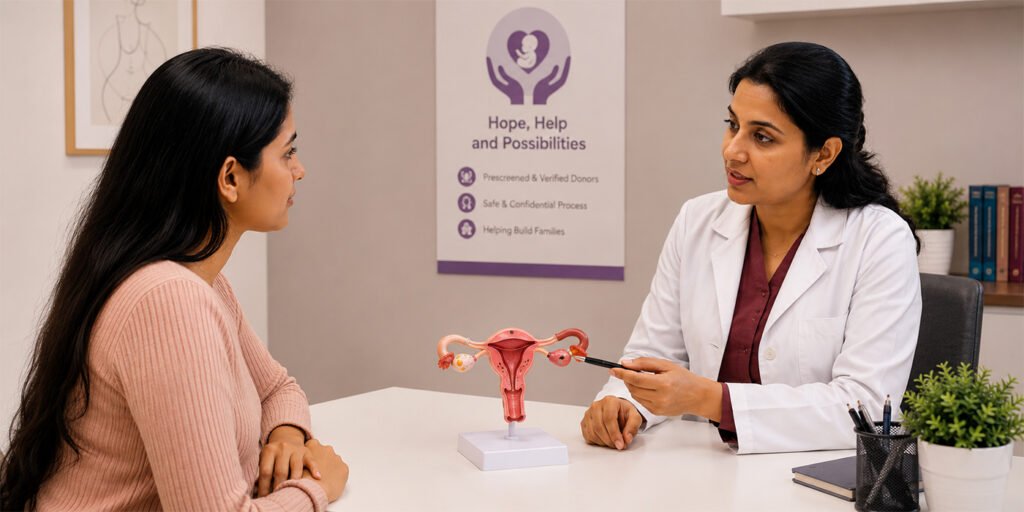
For first-time donors, understanding the process is equally important. Egg donation involves medical assessments, hormonal preparation, and egg retrieval under specialist supervision to ensure donor safety at every stage.
The Step-by-Step Journey of Becoming an Egg Donor in India
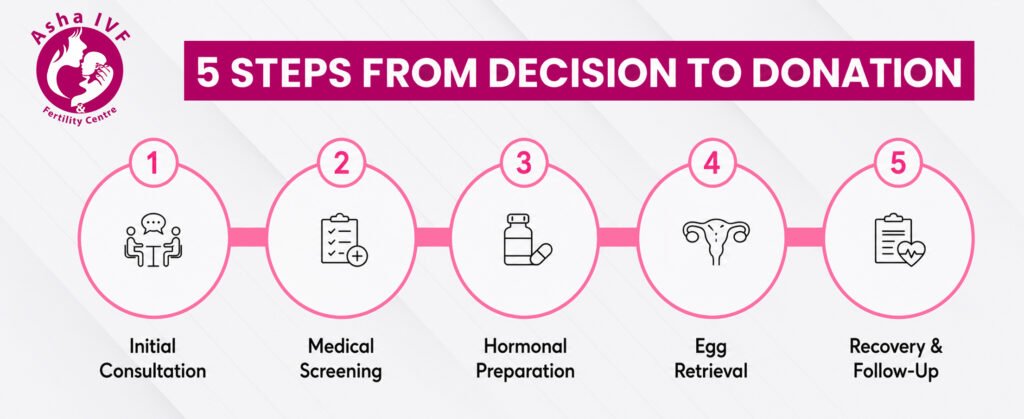
Becoming an egg donor involves several carefully planned stages designed to evaluate health, prepare the body, and safely retrieve eggs.
Medical Screening and Testing
Before egg donation, donors undergo comprehensive screening. This may include:
| Assessment | Purpose |
| Medical history review | Understand overall health and previous conditions |
| Physical examination | Assess general fitness for the procedure |
| Hormonal tests | Evaluate ovarian function and egg reserve |
| Ultrasound evaluation | Examine ovarian health and follicle development |
| Genetic screening | Identify possible inherited conditions |
| Infectious disease testing | Ensure safety standards are maintained |
These evaluations help fertility specialists determine whether a donor is suitable and ensure that the process follows ethical medical practices.
Ovarian Stimulation and Monitoring
Once approved, the donor receives prescribed hormonal medications to stimulate the development of multiple eggs. During this phase, regular ultrasounds and blood tests help doctors monitor follicle growth and adjust medication when required.
Egg Retrieval Procedure
When the eggs reach the appropriate stage of development, egg retrieval is performed through a minimally invasive procedure. The process is usually completed under sedation, and the collected eggs are prepared for IVF treatment.
Recovery After Egg Donation
Most donors can resume normal activities within a short recovery period. Medical teams guide rest, symptoms to monitor, and follow-up care after the procedure.
Egg Donor Requirements, Safety and Legal Considerations in India
Egg donation in India follows specific medical and legal guidelines to protect both donors and intended parents. Donors are carefully screened to ensure physical health, emotional readiness, and compliance with regulatory requirements.
Key factors considered before egg donation include:
- Age and overall health status
- Ovarian function and reproductive health
- Medical and family history
- Genetic screening results
- Infectious disease screening
- Understanding of the donation process
Egg donation is regulated under India’s Assisted Reproductive Technology (ART) framework, which focuses on ethical practices, donor confidentiality, and safety standards. A registered fertility centre ensures that every step follows established medical protocols.
What First-Time Egg Donors Should Know Before Making a Decision
Choosing to become an egg donor requires awareness and proper guidance. Potential donors should understand that:
- Egg donation involves medical evaluation and monitoring
- Hormonal medications are used to support egg development
- Egg retrieval is performed by fertility specialists
- Individual experiences may vary during recovery
- Future fertility concerns should be discussed with a doctor
A well-managed egg donation programme prioritises donor safety, informed consent, and transparent communication throughout the process.
Making an Informed Choice About Egg Donation
Egg donation is a carefully planned medical journey that combines advanced fertility science with responsible donor care. At Asha IVF, every fertility journey is approached with medical expertise, ethical practices, and personalised guidance.
With experienced fertility specialists, advanced laboratory facilities, and a focus on patient safety, Asha IVF supports individuals and families navigating complex fertility decisions while ensuring that every step of the process is handled with care, clarity, and compassion.

Frequently Asked Questions
1. How can I become an egg donor in India?
To become an egg donor in India, a woman must meet medical and eligibility requirements set by fertility specialists. The process usually includes consultation, health evaluation, hormonal testing, screening, ovarian stimulation, and egg retrieval under medical supervision.
2. What tests are done before a woman can donate her eggs?
Before egg donation, donors may undergo medical history assessment, physical examination, hormonal tests, ultrasound evaluation, genetic screening, and infectious disease testing. These tests help ensure donor safety and determine suitability for donation.
3. Is egg donation legal in India?
Yes, egg donation is legal in India when conducted through registered fertility centres and according to the Assisted Reproductive Technology (ART) regulations. The process follows guidelines related to donor eligibility, confidentiality, and ethical medical practices.
4. Can I donate eggs if I have never been pregnant?
Yes, previous pregnancy is not always required to become an egg donor. Eligibility depends on factors such as age, ovarian health, medical history, and results of required screening tests.
5. Does egg donation affect future fertility?
Current medical evidence suggests that egg donation does not generally reduce future fertility when performed under proper medical supervision. Fertility specialists carefully monitor the process to minimise risks and protect donor health.
6. How many times can a woman donate eggs?
The number of times a woman can donate eggs depends on medical guidelines, regulatory considerations, and individual health factors. Fertility specialists evaluate each donor’s history before considering another donation cycle.