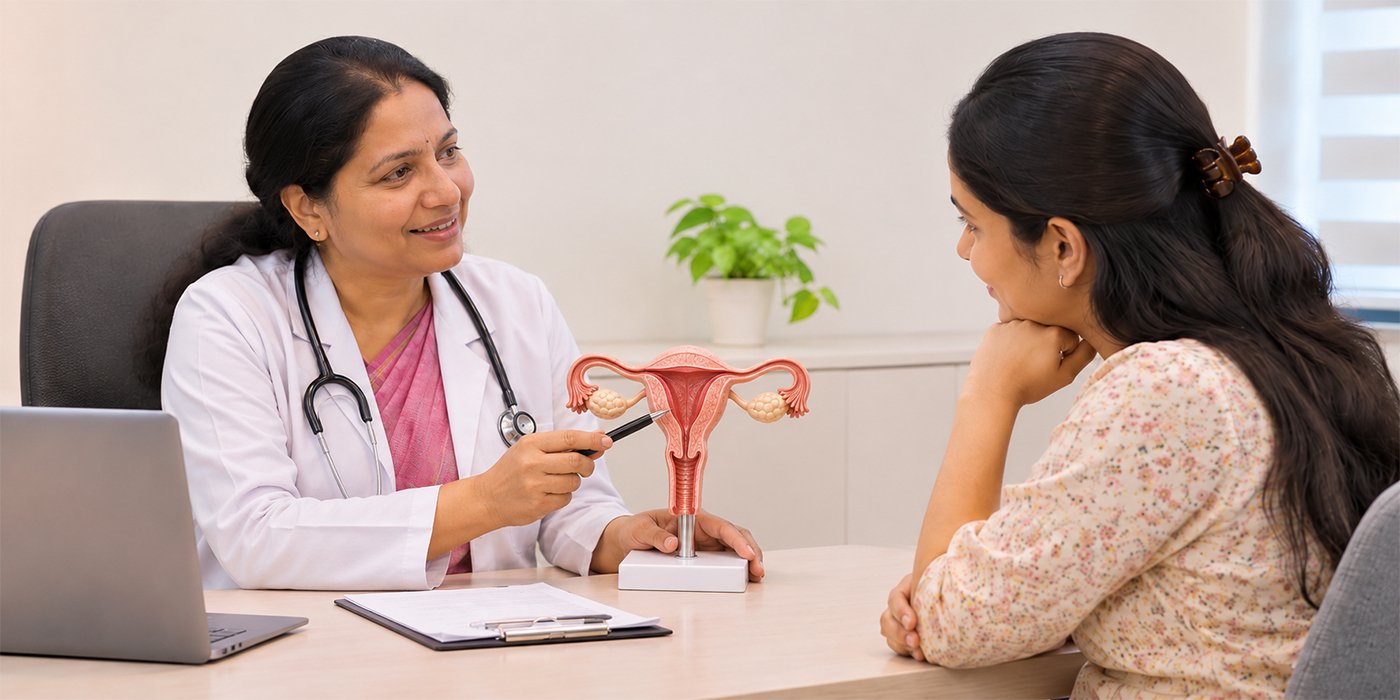
A report showing blocked fallopian tubes can raise several questions at once: Can I still get pregnant? Will I need surgery? Would IVF be a better option? These decisions become easier when you understand what the blockage means and which treatments may help. Laparoscopic surgery for infertility allows doctors to examine the pelvis and treat certain conditions, but it is not necessary for everyone.
This guide explains the procedures, factors affecting pregnancy after surgery, and 7 steps to getting pregnant with blocked fallopian tubes. It also covers when to seek medical advice, what recovery may involve, and how to approach your next step with realistic expectations.
Understanding How Blocked Fallopian Tubes Affect Pregnancy
Fallopian tubes provide the pathway where an egg usually meets sperm. They then help the fertilised egg travel towards the uterus. Infection, endometriosis, or scarring from previous surgery can damage this pathway.
Natural pregnancy may still be possible with one healthy, functioning tube. If both tubes are completely blocked, sperm and egg cannot normally meet without treatment. IVF can bypass the tubes by allowing fertilisation in a laboratory.
Blocked tubes often cause no noticeable symptoms. Having regular periods does not confirm that your tubes are open. Assessment usually begins with an HSG, an X-ray using contrast dye, or an appropriate contrast ultrasound.
Laparoscopy is considered when symptoms, medical history, or test results suggest a pelvic condition requiring further assessment or treatment. It is not recommended routinely for every person experiencing infertility.
Laparoscopic Procedures Used in Fertility Treatment
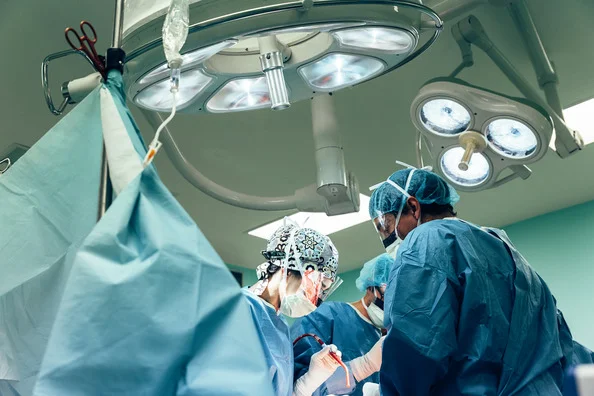
Laparoscopy involves inserting a small camera through an abdominal incision under general anaesthesia. The surgeon examines the reproductive organs and may perform an agreed treatment during the same operation.
Depending on the findings, fertility-enhancing surgeries may include:
- Adhesiolysis: Releases bands of scar tissue around the tubes and ovaries that may restrict their movement.
- Tubal repair: Opens or reconstructs selected damage near the outer end of a tube. Opening a tube does not always restore its function.
- Endometriosis surgery: Removes or destroys selected areas of endometriosis, with the decision guided by symptoms and fertility plans.
- Salpingectomy or tubal occlusion: Removes or closes a damaged, fluid-filled tube when indicated before IVF.
- Selected cyst or fibroid removal: Treats growths where their size, location, symptoms, or other findings justify surgery.
Not every cyst or fibroid needs removal. Surgery for an ovarian endometrioma is not routinely advised before IVF solely to improve live birth rates, because it may reduce the remaining egg supply.
7 Steps to Getting Pregnant With Blocked Fallopian Tubes
There is no single treatment that suits every blocked tube. These seven steps explain how assessment leads to an individual plan.
1. Confirm the location and extent of blockage
First, establish whether one or both tubes are affected and where the blockage lies. An HSG result suggesting blockage near the uterus may sometimes reflect temporary muscle spasm. Your specialist may recommend further testing before deciding that surgery is necessary.
2. Understand what may have caused it
Discuss previous pelvic infections, endometriosis, abdominal operations, or ectopic pregnancy. The cause matters because a small obstruction and extensive internal scarring require different approaches. Tests showing an open tube cannot always confirm that it functions normally.
3. Assess the complete fertility picture
A fertility assessment should consider both partners. Your age, ovulation, ovarian reserve where appropriate, and your partner’s semen analysis help determine whether tubal treatment alone is likely to help. This also avoids spending time on an approach that overlooks another fertility factor.
4. Compare the available treatment options
Ask what each option would achieve and why it suits your findings.
| Finding | Option your specialist may discuss |
| One healthy tube and no significant additional fertility factors | Trying naturally with an agreed review plan |
| Selected blockage close to the uterus | Tubal cannulation using a fine catheter |
| Limited damage or scarring suitable for repair | Laparoscopic treatment |
| Extensive damage or additional fertility factors | IVF treatment |
| A fluid-filled damaged tube, called hydrosalpinx | Removal or closure before IVF when indicated |
Tubal cannulation is distinct from laparoscopic repair. The table describes possible discussions, rather than treatment recommendations for every patient.
5. Check whether hydrosalpinx needs treatment
Fluid from a hydrosalpinx can affect IVF outcomes. Although IVF bypasses the tubes, it does not remove this concern. Your doctor may recommend closing or removing the affected tube before embryo transfer, depending on your findings.
6. Set a timeline for trying and reassessment
Agree on when you can try to conceive after treatment and when to review progress. This depends on your operation, recovery, age, and other fertility factors. A planned review helps you understand when further investigation or a change in treatment may be useful.
7. Arrange early monitoring after conception
Contact your doctor promptly after a positive pregnancy test. Tubal disease and previous tubal surgery increase the risk of an ectopic pregnancy, where pregnancy develops outside the uterus. Early blood tests and ultrasound, when advised, help establish the pregnancy’s location.
Pregnancy After Laparoscopy: What Affects Your Chances?
There is no single pregnancy success rate for laparoscopic surgery for infertility. The outcome depends on what is treated, the severity of damage, age, sperm health, and other fertility factors.
Limited scarring around otherwise healthy tubes generally offers a more favourable outlook than extensive damage inside them. Surgery may improve the anatomy without fully restoring the tube’s ability to transport an egg.
When discussing expected results, ask whether “success” means an open tube, a confirmed pregnancy, or a live birth. Also ask how long patients were followed and whether they needed additional fertility treatment.
Your specialist should explain the likely benefit in your circumstances and how it compares with proceeding to IVF. General percentages cannot predict an individual outcome.
Seeking Fertility Advice and Preparing for Recovery
Knowing when to seek assessment and what to expect after surgery can help you plan your care.
- Arrange a fertility evaluation: Seek assessment after 12 months of trying if under 35, or six months if aged 35 or older.
- Seek advice earlier when needed: Known tubal disease, suspected endometriosis, or irregular periods justify earlier evaluation. Over 40, prompt assessment may be appropriate.
- Allow for individual recovery: Many patients leave hospital the same day or the following day, but recovery depends on the procedure performed.
- Follow your discharge instructions: Ask about wound care, activity, intercourse, and when you can start trying for pregnancy.
- Recognise warning signs: Contact your surgical team for fever, worsening pain, or wound discharge. Severe pain, fainting, or shoulder-tip pain with a possible pregnancy needs urgent assessment.
Before surgery, discuss risks such as bleeding, infection, organ injury, anaesthetic complications, and new scar tissue.
Choosing Your Next Step With Confidence
Finding out that your tubes may be blocked can feel unsettling, but it does not mean everyone needs the same treatment. Understanding the diagnosis, the condition of your tubes, and your wider fertility health can help you make an informed decision.
For some, surgery may be worth considering; for others, IVF may offer a more appropriate route. A consultation at Asha IVF & Fertility Centre can help you discuss these options in the context of your reports and medical history. The aim is a clear plan, realistic expectations, and time to have your questions answered.
FAQs
1. Can I get pregnant naturally with blocked fallopian tubes?
Natural pregnancy may be possible if one fallopian tube is healthy and functioning. If both tubes are completely blocked, treatment is generally needed to restore a pathway or bypass the tubes through IVF.
2. What are the 7 steps to getting pregnant with blocked fallopian tubes?
The seven steps are confirming the blockage, understanding its cause, assessing both partners, comparing treatments, checking for hydrosalpinx, setting a review timeline, and arranging early pregnancy monitoring. These steps guide medical decisions rather than guarantee conception.
3. Can laparoscopic surgery open blocked fallopian tubes?
Laparoscopic surgery can treat certain blockages or release scar tissue around the tubes, but it cannot repair every type of damage. Whether it may help depends on the blockage’s location, severity, and the condition of the remaining tube.
4. What affects pregnancy success after laparoscopic surgery for infertility?
Pregnancy chances depend on age, the condition treated, the extent of tubal damage, sperm health, and other fertility factors. A technically successful operation does not necessarily mean that pregnancy will follow.
5. Is IVF better than surgery for blocked fallopian tubes?
IVF may be more appropriate when tubes are extensively damaged or other fertility factors make repair less useful. Surgery may suit selected patients with repairable damage; the decision should consider expected benefits, risks, and time available.
6. Can I consult Asha IVF about treatment for blocked fallopian tubes?
Yes, you can consult Asha IVF & Fertility Centre to discuss assessment and treatment options for blocked fallopian tubes. Bring your HSG report, scans, and previous treatment records so the team can review whether further testing, surgery, or IVF should be considered.