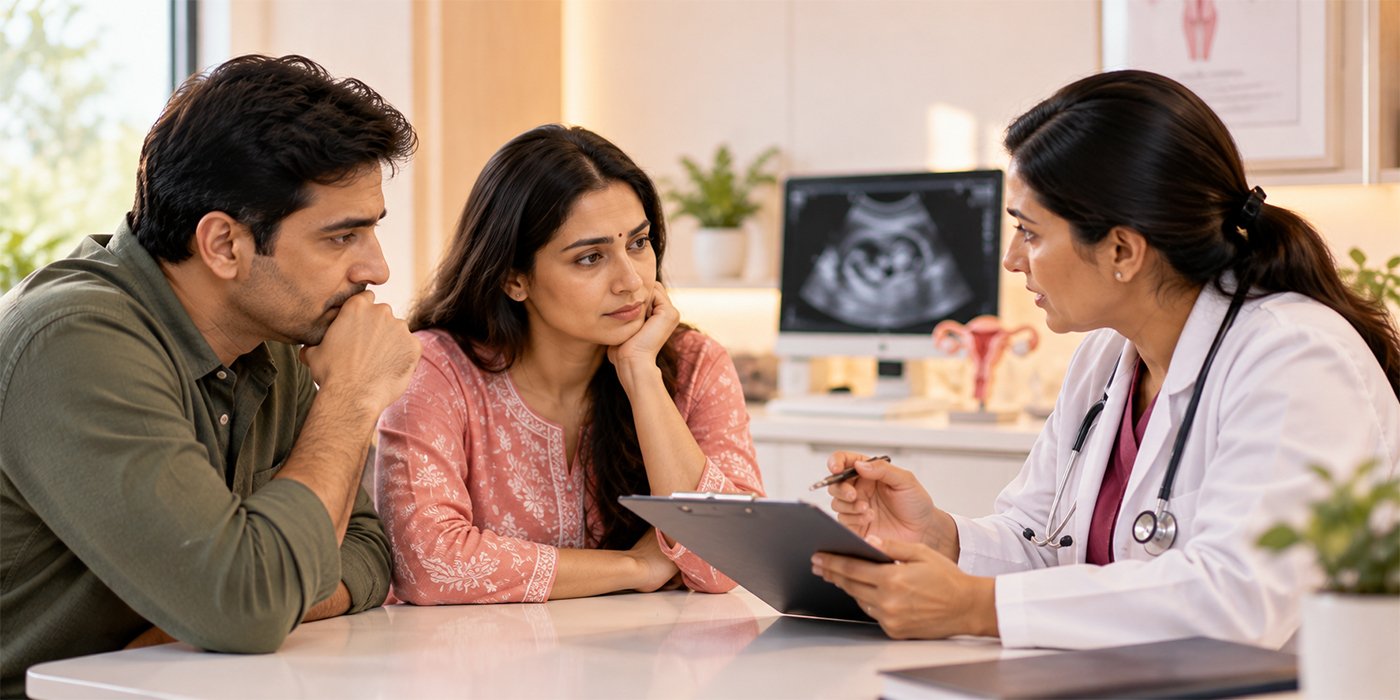
Are you dealing with irregular periods, spotting between cycles, unusually heavy bleeding, or difficulty getting pregnant?
It could be your body’s way of pointing toward an often-overlooked condition called an endometrial polyp.
Endometrial polyps are small growths that develop inside the uterus. In most cases, they are non-cancerous, but they can still affect menstrual health, fertility, and IVF outcomes. The good news is that with the right diagnosis and treatment, they can be managed effectively.
Let’s understand what endometrial polyps are, what symptoms to watch for, and when you should consult a fertility specialist.
What Is an Endometrial Polyp?
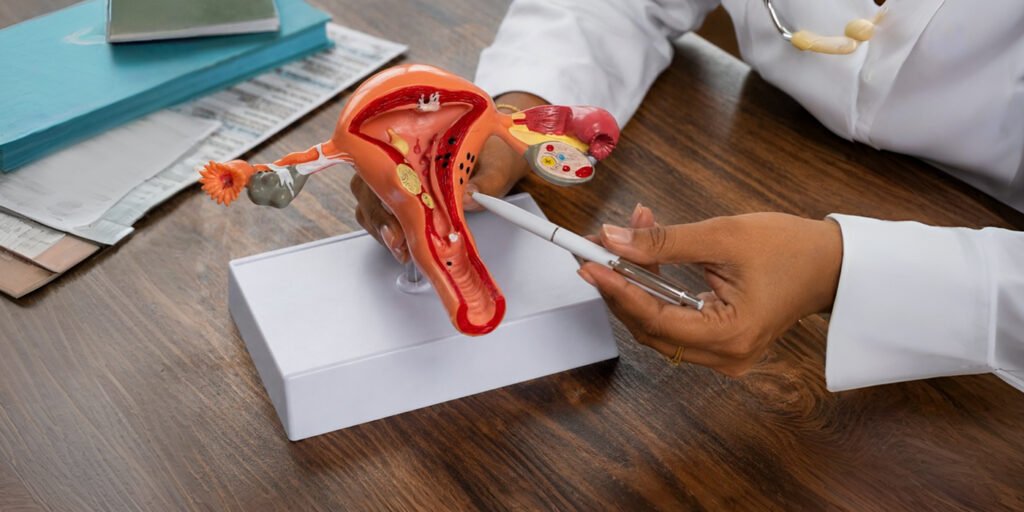
An endometrial polyp, also known as a uterine polyp, is a soft, fleshy growth that forms on the inner lining of the uterus, called the endometrium.
These polyps develop when the cells of the uterine lining grow more than usual. This growth is often linked to hormonal changes, especially the influence of estrogen.
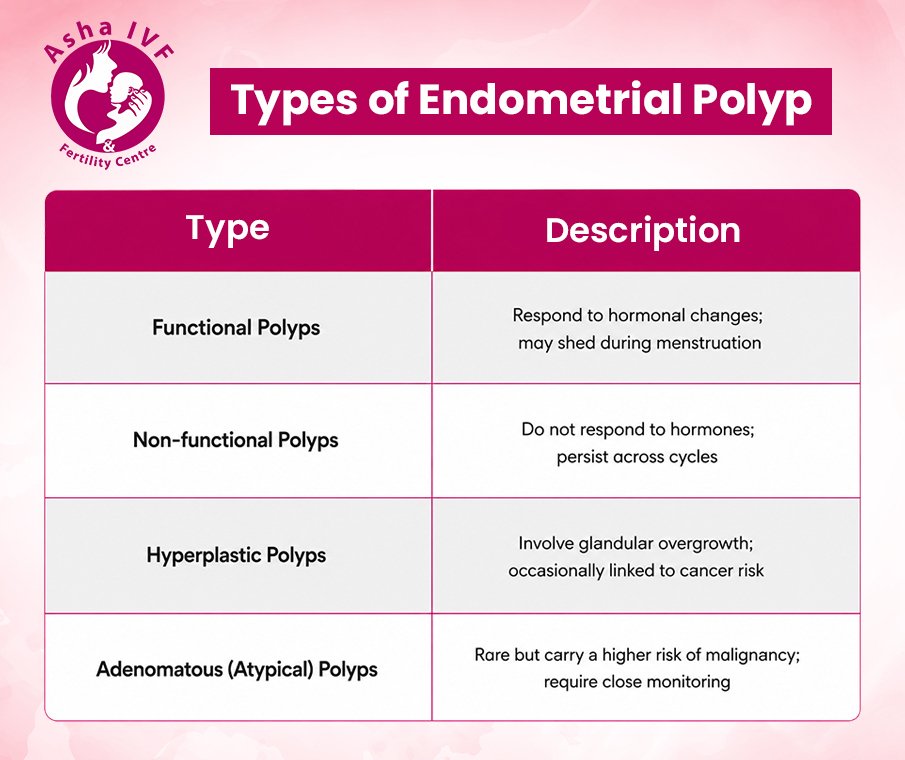
Most endometrial polyps are benign, which means they are not cancerous. However, in some cases, especially after menopause, they may carry a small risk of precancerous or cancerous changes. That is why timely diagnosis is important.
Common Symptoms of Endometrial Polyps
Some women with endometrial polyps do not notice any symptoms at all. In many cases, polyps are discovered during a routine ultrasound or fertility evaluation.
However, when symptoms do appear, they may include:
- Irregular menstrual cycles
- Heavy bleeding during periods
- Spotting or bleeding between periods
- Bleeding after menopause
- Periods lasting longer than usual
- Mild pelvic discomfort or pressure
- Difficulty conceiving
- Repeated IVF failure or implantation issues
A simple way to understand it is this: if your bleeding pattern has suddenly changed or your fertility journey has become unexplained and stressful, it is worth getting your uterine health checked.
What Causes Endometrial Polyps?
The exact cause of endometrial polyps is not always clear. However, hormonal imbalance is considered one of the major reasons.
In many cases, polyps are linked to estrogen dominance, where estrogen levels are higher in comparison to progesterone. Since estrogen stimulates the uterine lining, too much of it may lead to abnormal overgrowth.
Some common risk factors include:
- Age, especially women in their 40s and 50s
- Obesity
- High blood pressure
- PCOS or hormonal imbalance
- Use of tamoxifen, a medicine used in breast cancer treatment
- Hormone replacement therapy
- Family history of uterine polyps or endometrial cancer
That said, endometrial polyps can also occur in younger women, especially those facing fertility issues.
Can Endometrial Polyps Affect Fertility?
Yes, endometrial polyps can affect fertility.
For pregnancy to happen, the embryo needs to implant properly in the uterine lining. If a polyp is present inside the uterus, it may interfere with this process.
Endometrial polyps may affect fertility by:
- Disturbing the uterine lining
- Blocking the area where the embryo needs to implant
- Creating inflammation inside the uterus
- Affecting sperm or embryo movement
- Increasing the chances of early miscarriage in some cases
This is why fertility specialists often recommend removing polyps before IVF or embryo transfer, especially if the polyp is inside the uterine cavity.
At Asha IVF, uterine cavity evaluation is an important part of fertility assessment, especially before IVF treatment. This helps identify issues like polyps early and improves the chances of a healthier pregnancy journey.
How Are Endometrial Polyps Diagnosed?
Diagnosis is usually simple and guided by your symptoms, medical history, and fertility goals.
Your doctor may recommend one or more of the following tests:
1. Transvaginal Ultrasound
This is often the first test used to check the uterus. A transvaginal ultrasound helps detect abnormal growths or thickening inside the uterine lining.
2. Sonohysterography
In this test, saline is gently introduced into the uterus before ultrasound. This gives a clearer view of the uterine cavity and helps detect small polyps more accurately.
3. Hysteroscopy
Hysteroscopy is considered the gold standard for diagnosing endometrial polyps.
A thin camera is inserted through the cervix to directly view the inside of the uterus. The biggest advantage is that the doctor can often diagnose and remove the polyp during the same procedure.
Learn more about Asha IVF’s advanced hysteroscopy for accurate diagnosis and minimally invasive treatment of endometrial polyps.
4. Endometrial Biopsy
Sometimes, a small tissue sample may be taken from the uterine lining to rule out precancerous or cancerous changes.
When Should You See a Doctor?
You should consult a doctor if you experience:
- Bleeding after menopause
- Sudden heavy or irregular periods
- Spotting between periods for more than two cycles
- Difficulty getting pregnant after 6–12 months of trying
- Recurrent miscarriages
- Failed IVF cycles
- Unexplained pelvic discomfort
Do not ignore unusual bleeding, especially after menopause. Even if the cause is harmless, it should always be checked.

Treatment for Endometrial Polyps
The treatment depends on your age, symptoms, polyp size, fertility plans, and whether there is any concern about abnormal cells.
In some cases, small polyps may simply be monitored. But if the polyp is causing bleeding, fertility problems, or IVF failure, removal is usually recommended.
The most common and effective treatment is hysteroscopic polyp removal, also known as hysteroscopic polypectomy.
Hysteroscopic Polyp Removal: How It Works
Hysteroscopic polypectomy is a minimally invasive procedure used to remove endometrial polyps. It does not require any external cuts or stitches.
Here is how the procedure usually works:
Step 1: Preparation
The procedure is usually done as a day-care or outpatient procedure. It is often scheduled in the early phase of the menstrual cycle for better visibility.
Step 2: Anaesthesia or Sedation
Light sedation or anaesthesia may be given so that the patient remains comfortable during the procedure.
Step 3: Hysteroscope Insertion
A thin camera called a hysteroscope is gently passed through the cervix into the uterus.
Step 4: Uterine Cavity Examination
The doctor carefully examines the inside of the uterus and identifies the polyp.
Step 5: Polyp Removal
Small surgical instruments are used to remove the polyp safely.
Step 6: Lab Testing
The removed tissue is sent for histopathology to confirm that it is benign.
Recovery After Endometrial Polyp Removal
Recovery after hysteroscopic polyp removal is usually quick.
Most women can return to routine activities within 1–2 days. Some mild cramping or spotting may happen for a few days, which is generally normal.
After the procedure, your doctor may advise you to:
- Avoid intercourse for 1–2 weeks
- Avoid using tampons for a short period
- Take prescribed medicines as advised
- Attend a follow-up visit after a few weeks
- Wait for one full menstrual cycle before trying to conceive, if recommended
Serious complications are rare, but your doctor will explain all precautions before the procedure.
Endometrial Polyps and IVF Success
For couples planning IVF, the condition of the uterus matters as much as egg and sperm quality.
Even a small polyp can sometimes affect implantation. This is because the embryo needs a healthy, receptive uterine lining to attach and grow.
Endometrial polyps may reduce IVF success by:
- Disturbing the implantation site
- Creating inflammation in the uterine lining
- Affecting embryo attachment
- Altering the natural environment of the uterus
This is why many fertility specialists recommend removing polyps before embryo transfer.
At Asha IVF, pre-IVF evaluation includes checking the uterus carefully so that concerns like polyps, fibroids, or lining problems can be treated before starting the next step. This personalised approach helps couples move forward with more clarity and confidence.
Conclusion
Endometrial polyps are common, and in most cases, they are not dangerous. But they should not be ignored, especially if you are experiencing irregular bleeding, trying to conceive, or preparing for IVF.
The right diagnosis can make a big difference.
If you are facing unexplained bleeding, fertility challenges, recurrent miscarriages, or repeated IVF failure, consult an experienced fertility specialist. Early evaluation and treatment can help protect your reproductive health and improve your chances of pregnancy.
At Asha IVF, our fertility experts offer advanced diagnosis, personalised treatment, and compassionate support to help you take the next step toward parenthood with confidence.
FAQ
1. Can endometrial polyps cause infertility?
Yes, endometrial polyps can cause infertility by affecting embryo implantation, disturbing the uterine lining, or creating inflammation inside the uterus. Removing polyps may improve natural conception and IVF success in many cases.
2. Are endometrial polyps cancerous?
Most endometrial polyps are benign, meaning they are not cancerous. However, a small percentage may show precancerous or cancerous changes, especially after menopause. That is why removed polyps are usually sent for lab testing.
3. Can endometrial polyps go away naturally?
Small polyps may sometimes shrink or disappear on their own, especially in younger women. However, this is not predictable. If you have symptoms or fertility concerns, medical evaluation is important.
4. Is hysteroscopy painful?
Hysteroscopy is usually well tolerated. Some women may feel mild cramping, similar to period pain. Sedation or anaesthesia may be used to make the procedure more comfortable.
5. Should polyps be removed before IVF?
In many cases, yes. If a polyp is present inside the uterine cavity, removing it before IVF may improve implantation and pregnancy chances. Your fertility specialist will decide based on the size, location, and your treatment plan.