Expert Guidance on Your Path to Parenthood

Male Fertility Treatment at Asha IVF

Get expert diagnosis and advanced treatment for male fertility issues, supported by Asha IVF’s fertility specialists and embryology team in Faridabad.

Expert Assessment

Specialist-led diagnosis

Personalised Care

Plans built around you

Ongoing Support

Guidance at every step

Understanding

What Is Male Infertility?

Male infertility refers to reproductive health concerns in a man that contribute to difficulty conceiving.

These concerns may affect how sperm are made, how well they move, or whether they can reach the egg. Hormonal conditions, blockages, and difficulties with erection or ejaculation can also affect conception.

There may be no visible signs. An assessment helps identify possible reasons and understand what support you and your partner may need.

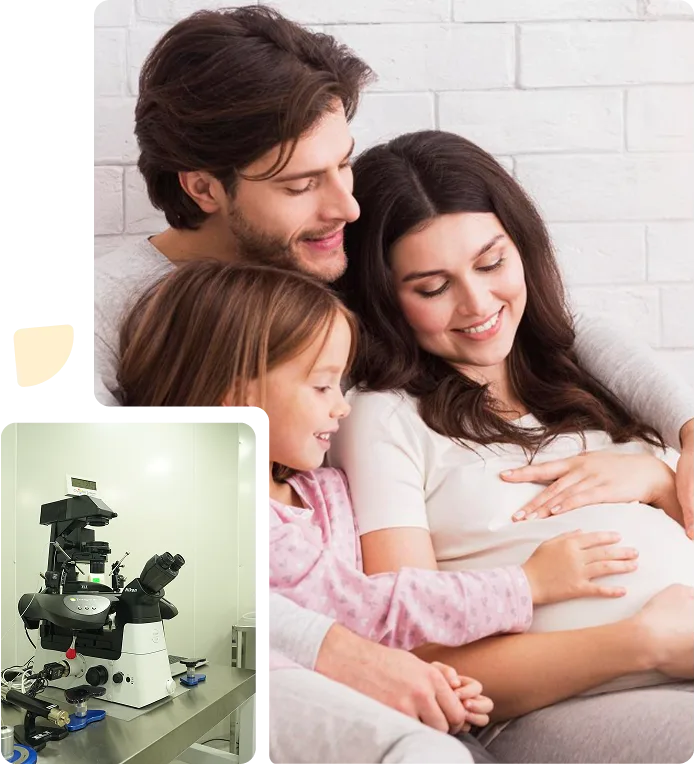
Couple consulting doctor
Diagnosis Terms

Types of Male Infertility

During your fertility assessment, your doctor may use different terms to describe male infertility. Some refer to your previous pregnancy history, while others explain concerns with sperm production or transport.

Based on pregnancy history
Primary

Primary Male Infertility

You and your partner are having difficulty conceiving, and you have never previously fathered a pregnancy.

Secondary

Secondary Male Infertility

You have previously fathered a pregnancy, but are now having difficulty conceiving again. Fertility can change, even when there were no concerns earlier.

Based on sperm presence

Understanding an Azoospermia Diagnosis

If no sperm are found in your semen, your doctor may diagnose azoospermia. This needs further assessment to understand the reason.

Obstructive Azoospermia

A blockage prevents sperm from entering the semen, although sperm are being produced.

Non-obstructive Azoospermia

Sperm production is affected. Some men may still have small areas of sperm production within the testes.

Diagnosis

Tests to Assess Male Fertility

Testing usually starts with a semen analysis, alongside a review of your medical history and a physical examination. Your doctor may recommend further tests based on these findings.

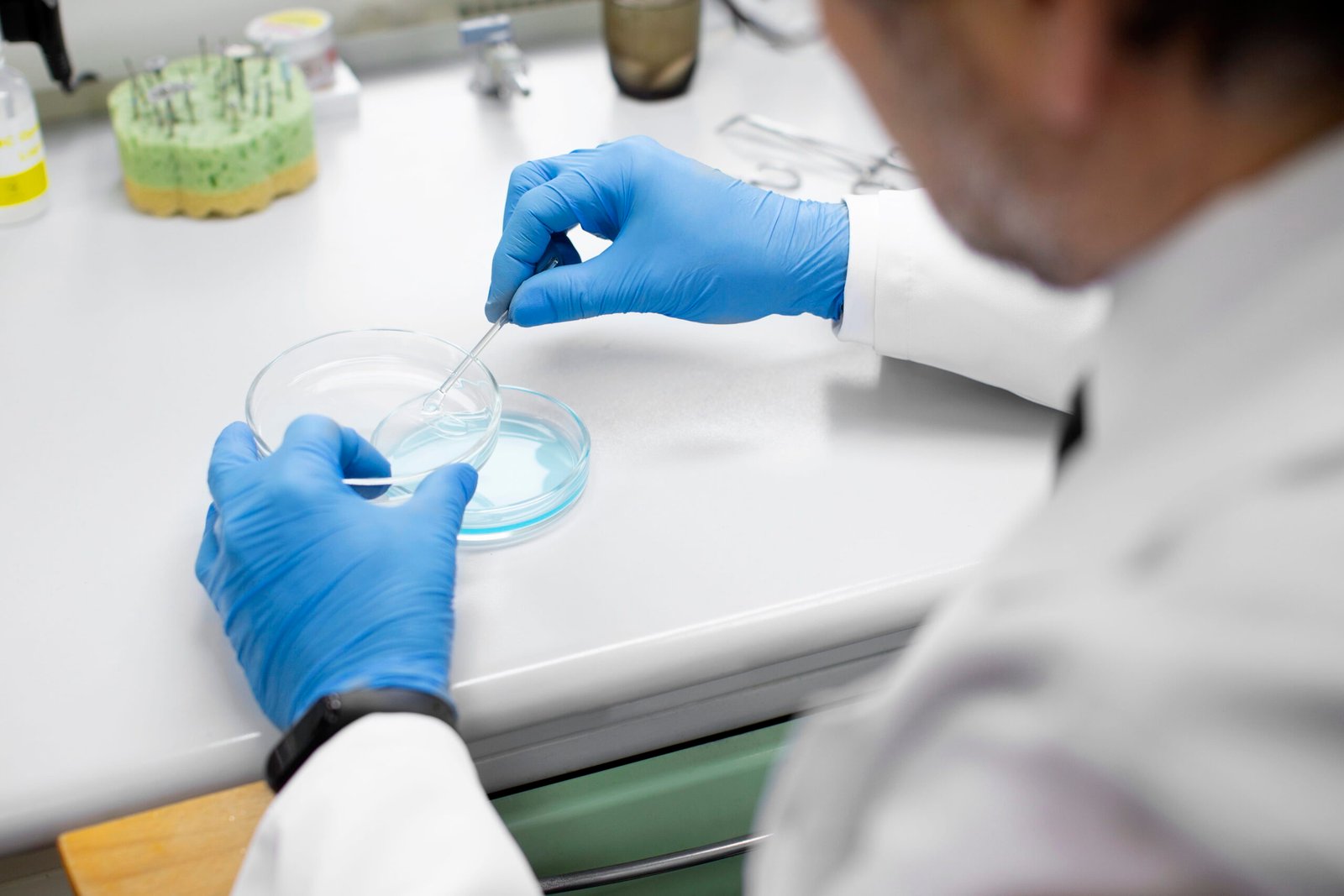
Semen Analysis - Asha IVF
01
Usually the first test

Semen Analysis

Checks sperm count, movement, and shape, along with semen volume. Your doctor may recommend a repeat sample because results can vary. One abnormal report alone does not confirm infertility.

Hormone Tests - Asha IVF
02
If a hormonal concern is suspected

Hormone Tests

Blood tests check hormones involved in sperm production, such as FSH and testosterone. These may be advised when your symptoms, examination or semen results suggest a hormonal concern.

Ultrasound Test - Asha IVF
03
Only when needed

Ultrasound

May help examine the testicles and nearby structures, or investigate a suspected blockage. It is recommended when needed, rather than routinely for every patient.

Genetic Tests - Asha IVF
04
Selected cases

Genetic Tests

May be advised for some men with very low sperm counts or no sperm in the semen. It can help identify genetic conditions that affect sperm production or transport.

Sperm DNA Fragmentation Test - Asha IVF
05
Selected cases

Sperm DNA Fragmentation Test

Assesses damage to the genetic material within sperm. Your specialist may consider it in selected situations, such as recurrent pregnancy loss; it is not a routine first test.

Care Options

Male Fertility Treatment Options

For some men, treatment focuses on a condition affecting sperm health. For others, fertility procedures help sperm fertilise an egg. Your plan may include one or a combination of the following.

Medical Care and Lifestyle Support

Your doctor may recommend treatment for a diagnosed hormonal condition, infection or sexual health concern. Advice on smoking, weight and other habits may also form part of your care.

Surgery Where Appropriate

Certain blockages or varicoceles, enlarged veins around the testicle, may be treated surgically. The decision depends on whether the procedure is likely to benefit your fertility.

IUI for Selected Cases

A prepared sperm sample is placed inside the uterus around ovulation. May suit mild sperm-related concerns when enough motile sperm are available, and your partner’s findings are suitable.

IVF With or Without ICSI

IVF involves fertilising eggs in a laboratory. With ICSI, an embryologist injects a single sperm into an egg, which may help when sperm-related difficulties are more significant, or fertilisation has failed previously.

Sperm Retrieval When Needed

Considered when sperm cannot be obtained through ejaculation. Sperm from the testicle or epididymis is generally used with ICSI. The possibility of finding sperm depends on the diagnosis.

Your Journey

Your Male Fertility Treatment Journey at Asha IVF

At Asha IVF, we bring together detailed assessment, treatment guidance, and surgical options where needed.

1

A Detailed Fertility Assessment

At our fertility clinic for men, we review your history and semen analysis, with further tests when needed to assess hormones, sperm production, or blockages.

2

Treatment Planned Around Your Diagnosis

Our specialists consider both partners’ results before recommending medicines, surgery, IUI, or IVF with ICSI.

3

Sperm Retrieval, When Needed

Where needed, we discuss PESA, TESA, MESA, TESE or Micro-TESE to collect sperm from the epididymis or testes.

4

Guidance Through the Next Step

We explain preparation, recovery, and follow-up for your recommended treatment. If sperm are retrieved, our specialists also guide you on their use with ICSI and whether freezing is suitable.

Take the Next Step Towards Fatherhood

Understand your fertility, discuss your options, and plan your next step with the specialists at Asha IVF.

Procedures

Sperm Retrieval for Male Infertility

When no sperm are found in the semen, retrieval may still be possible. At Asha IVF, your doctor explains which method may be suitable based on your diagnosis.

Procedure What It Involves Method
PESA A fine needle collects fluid from the epididymis, where sperm mature and are stored. Fine needle
TESA A fine needle collects a sample directly from the testis to look for sperm. Fine needle
MESA A surgical microscope helps collect sperm-containing fluid from the epididymis, usually when there is a blockage. Microscope-assisted
TESE A small sample of testicular tissue is collected and examined for sperm. Tissue sample
Micro-TESE A surgical microscope helps identify areas within the testis that may contain sperm when sperm production is severely affected. Microscope-assisted
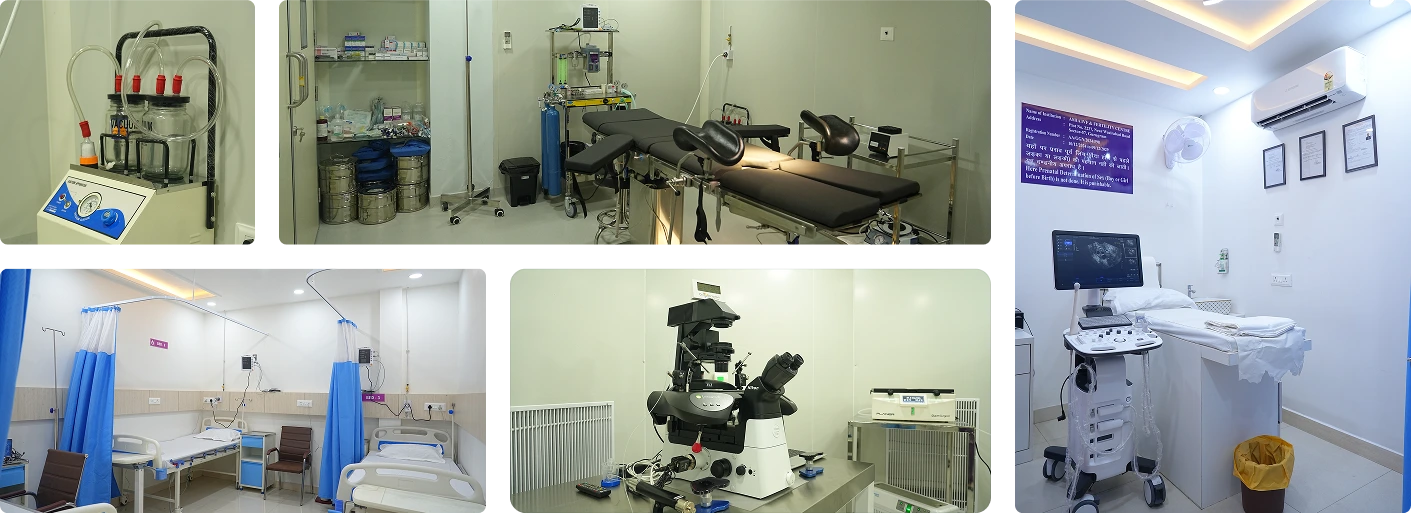
Asha IVF OT Suite
Our Team

Meet Your Fertility Care Team

Our multidisciplinary team of senior fertility consultants and clinical embryologists brings together decades of expertise to support your journey to parenthood.

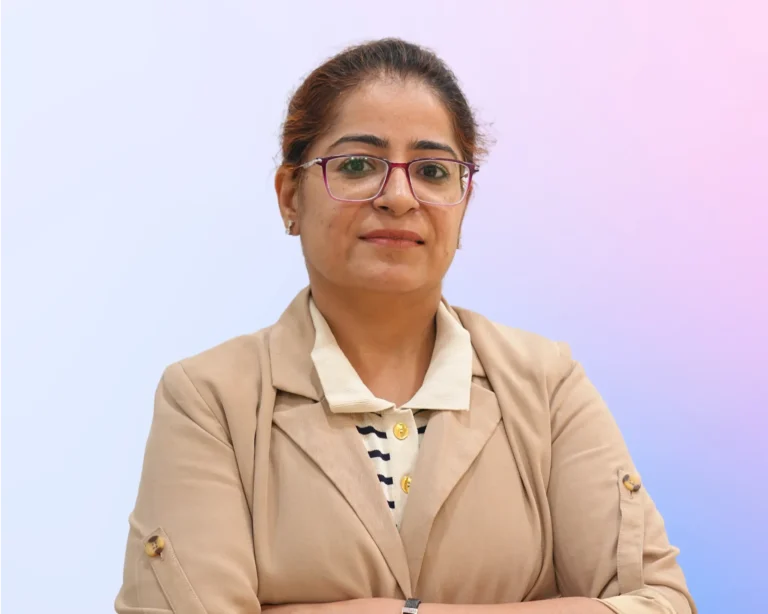
Dr. Astha Chakravarty - Asha IVF Fertility Specialist

Dr. Astha Chakravarty

Director & Senior Consultant

Experience: 18+ Years
Speciality: Reproductive Medicine & IVF
Qualification: MBBS, MS, DNB, FNB
Dr. Preeti Yadav - Asha IVF Fertility Specialist

Dr. Preeti Yadav

Senior Consultant

Experience: 10+ Years
Speciality: IVF & Laparoscopic Surgeries
Qualification: MBBS, MS, MRCOG, DMAS
Dr. Waseem Andrabi - Asha IVF Embryology Expert

Dr. Waseem Andrabi

Director & Senior Embryologist

Experience: 12+ Years
Qualification: Ph.D. Reproductive Biology
Krity Kumari - Asha IVF Embryology Expert

Krity Kumari

Clinical Embryologist

Experience: 2+ Years
Qualification: MSc Clinical Embryology

Overcoming Male Infertility with Asha IVF

We’ve stood beside countless couples who faced the heartbreak of male infertility and found hope and their long-awaited miracle through advanced treatments and expert care.
Before You Visit

What to Expect at Your First Consultation

1

What to Bring

Previous semen reports, test results, medical records and a list of current medicines.

2

What We Discuss

Your history, how long you have been trying, lifestyle, and any concerns you and your partner have.

3

What Happens Next

Your doctor explains any tests needed and outlines the next steps for your care.

More Services

At Asha IVF, a leading IVF centre, we provide holistic fertility solutions tailored to your needs. Our specialists combine compassionate care with advanced technology to support you at every step. From diagnostics to treatment, we’re here to help you build the family you dream of.

Book Appointment Today!

Schedule your consultation in minutes and let our experts guide you toward parenthood with care and clarity.


    Male Fertility Treatment in Faridabad

    Asha IVF offers male fertility treatment in Faridabad and Gurgaon, with assessment and care for low sperm count, poor sperm motility, and other male infertility concerns. For couples looking for a fertility clinic for men, our team explains male fertility tests, sperm retrieval, and IVF with ICSI, helping both partners understand their options before deciding on treatment.

    FAQs

    FAQs About Male Infertility

    Your doctor considers the cause, semen results, both partners’ fertility, and previous treatments. At Asha IVF, we also discuss the benefits, limitations, costs, and your preferences before recommending care.

    Sperm freezing may help before medical treatment that could affect fertility, or when storing sperm for future fertility procedures. Retrieved sperm may also be frozen if the sample is suitable.

    Your specialist reviews the findings and explains whether further assessment or another retrieval attempt has a reasonable chance of helping. Donor sperm may also be discussed, with counselling and time to consider your choices.

    Possible causes include varicoceles, hormonal disorders, reproductive tract blockages, genetic conditions and testicular damage from illness, injury or certain treatments. Sometimes, no clear cause is found.

    Men with abnormal semen results, known reproductive concerns, or difficulty conceiving may benefit from assessment. Whether treatment is suitable, and which option to use, depends on the diagnosis and both partners’ fertility.

    Yes. Many men have no noticeable symptoms, and difficulties conceiving may be the first sign. A semen analysis and medical assessment can help identify concerns that are not otherwise apparent.