Fertility Treatment

Altruistic Surrogacy at Asha IVF

Your Path to Parenthood, Guided With Care

Take the next step towards parenthood with altruistic surrogacy guidance from Asha IVF’s fertility specialists in Faridabad including personalised assessment, eligibility guidance and support at each stage.

Book a Consultation
Individual Assessment
Clear Explanations
Personalised Care
About Surrogacy

What Is Altruistic Surrogacy?

Altruistic surrogacy is an arrangement in which a willing, eligible woman carries a pregnancy for eligible intending parents without receiving payment or a reward for doing so. Permitted medical expenses, prescribed expenses, and insurance coverage are provided.

The altruistic surrogacy meaning becomes clearer when we separate the medical process from the financial arrangement. An embryo is created through IVF and transferred into the surrogate’s uterus. She carries the pregnancy but does not provide her own egg.

At Asha IVF, the first conversation focuses on your medical history, your questions, and the assessment needed before treatment can be considered.
Compare

Difference Between Altruistic and Commercial Surrogacy

The main distinction is whether the surrogate receives a payment or benefit beyond the expenses permitted by law.

Aspect Altruistic Surrogacy Commercial Surrogacy
Payment to the surrogate No payment or reward for carrying the pregnancy. Involves payment, reward, or benefits beyond permitted expenses.
Medical expenses and insurance Permitted expenses and required insurance are provided. Additional compensation makes the arrangement commercial.
Legal position in India Permitted when statutory conditions and approvals are met. Prohibited.
Required safeguards Eligibility checks, informed consent, medical assessment and legal approvals. A private agreement cannot make a prohibited arrangement lawful.
Eligibility

Could Altruistic Surrogacy Be an Option for You?

Considering Altruistic surrogacy involves two separate questions: Is there a medical reason for it, and do you meet the legal requirements?

When a Medical Assessment May Be Appropriate

Your specialist may discuss further assessment when:

  • The uterus is absent or has been surgically removed.
  • A uterine condition makes carrying a pregnancy difficult.
  • A serious health condition makes pregnancy unsafe or unlikely to reach viability.
  • Repeated implantation failure or pregnancy loss needs detailed review.

These circumstances do not automatically establish eligibility. The medical indication must be assessed and certified through the required process.

Who May Be Eligible?

Altruistic surrogacy in India is subject to legal eligibility requirements, including:

Intending couples

Legally married Indian couples, with the woman aged 23–50 and the man aged 26–55 at certification.

Intending women

Indian widows or divorcees aged 35–45, subject to the applicable requirements.

Existing children

Restrictions apply to intending couples who already have a surviving child, with specified medical exceptions.

Required certification

Medical suitability, eligibility, and other statutory conditions must be established before proceeding.

Your Journey

How Altruistic Surrogacy Care Is Planned at Asha IVF

Understanding the medical and legal steps early can make the process easier to follow.
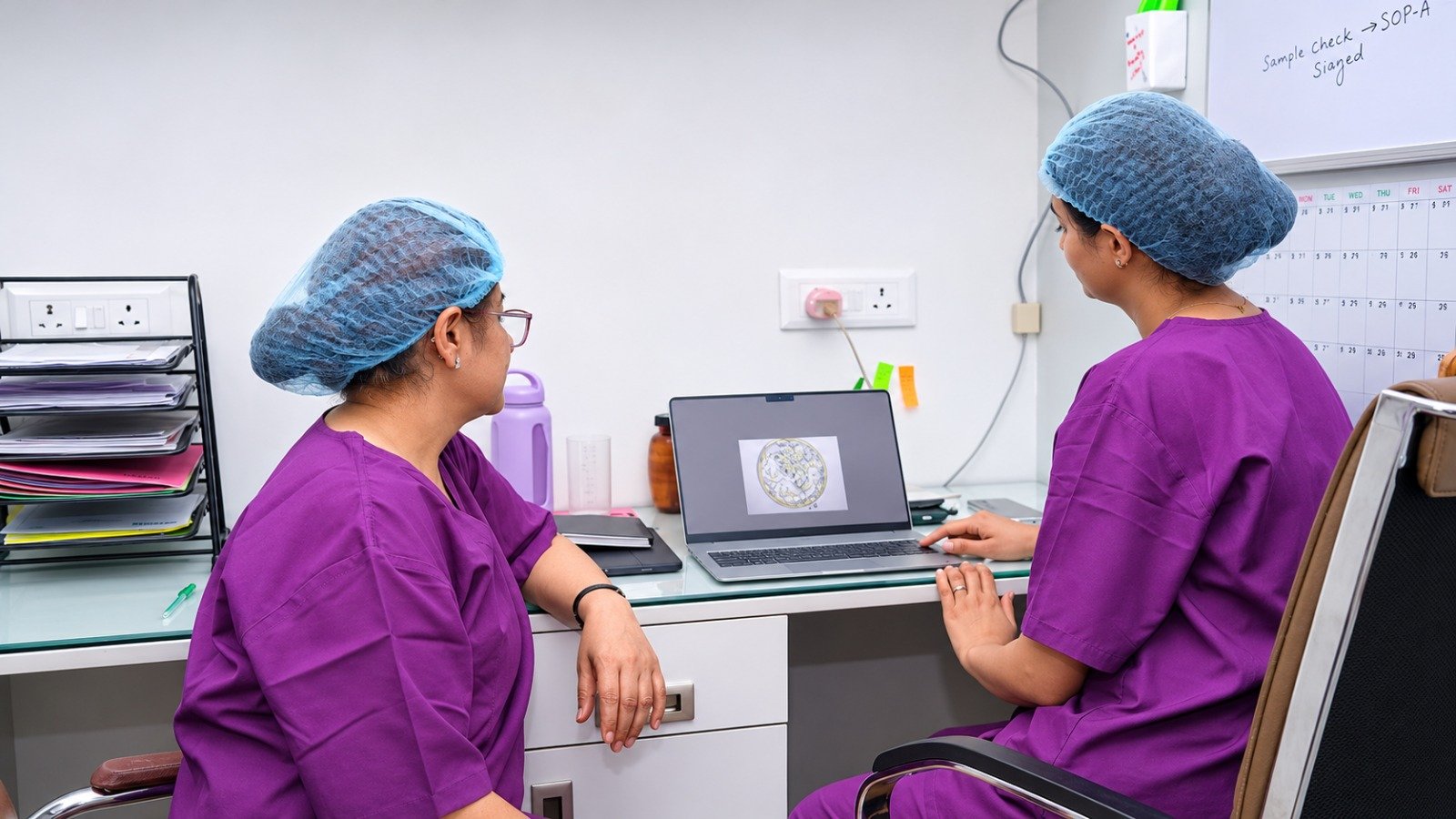
Asha IVF Fertility Diagnostics & Counseling Asha IVF Fertility Diagnostics & Counseling
Step 1

Assessment and Preparation

  • Review your medical history, previous treatment, and fertility reports.
  • Discuss the assessments needed for intending parents and the willing surrogate.
  • Understand the required certificates, consent, insurance, and legal documentation.
Asha IVF Advanced Embryology Laboratory Asha IVF Advanced Embryology Laboratory
Step 2

IVF and Embryo Transfer

  • Plan treatment once the required conditions and approvals are in place.
  • Create embryos through IVF, using gametes permitted for the individual case.
  • Assess embryo development and prepare for transfer into the surrogate’s uterus.
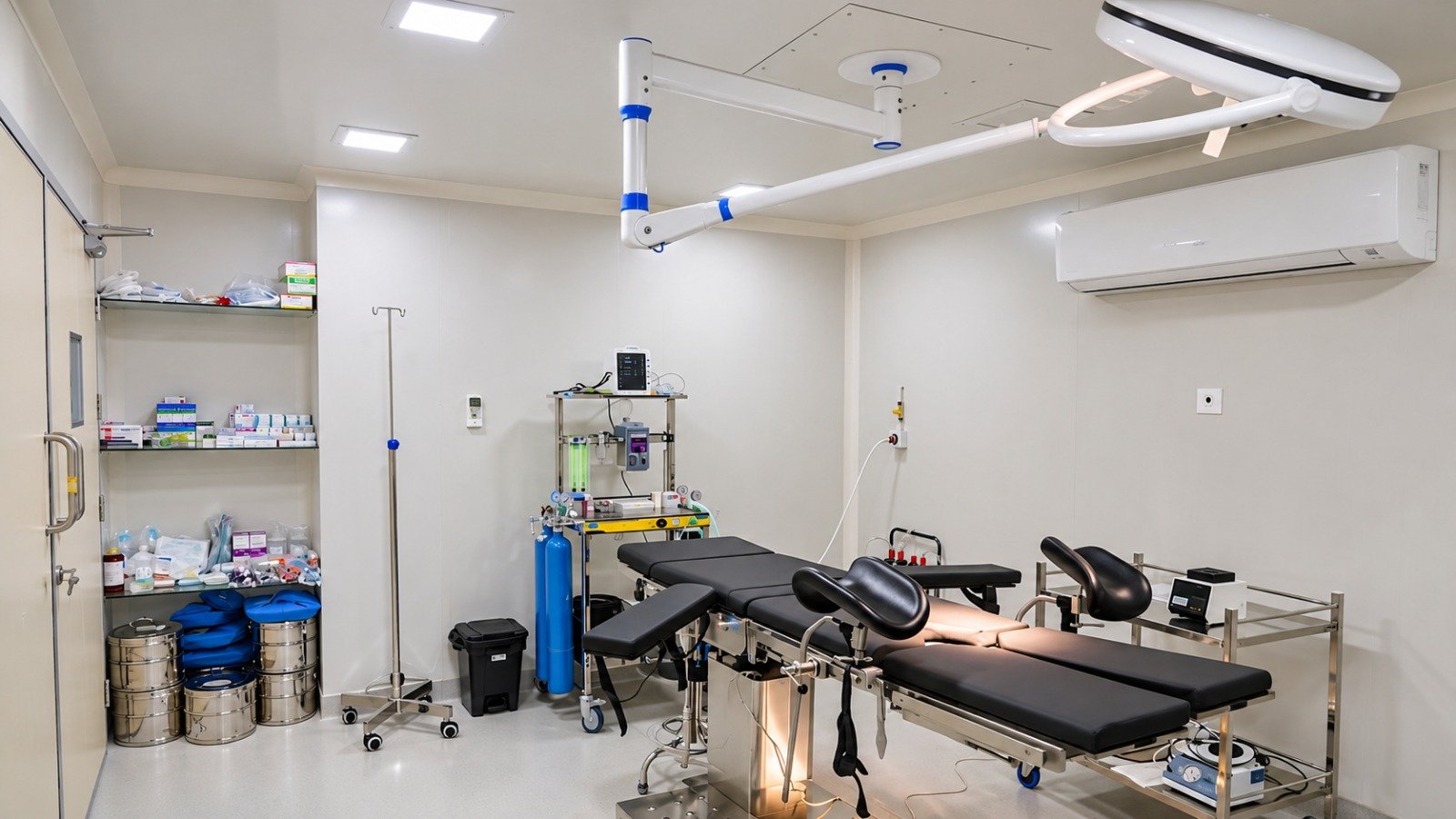
Antenatal Monitoring & Comprehensive Care Antenatal Monitoring & Comprehensive Care

Step 3

Pregnancy Care and Follow-Up

  • Check for pregnancy after transfer and arrange further scans as advised.
  • Plan ongoing antenatal care and communication between the care teams.
  • Discuss delivery arrangements, postnatal follow-up, and required documentation.
Before You Begin

Documents and Legal Approvals Before Treatment

A consultation or private agreement alone is not enough to begin Altruistic surrogacy treatment. The required documents and approvals must be completed through the relevant authorities.

Document / Requirement Purpose
Identity, age and marital-status records Support assessment of the applicable eligibility category.
Medical records and certification Establish the medical indication through the District Medical Board.
Essentiality and eligibility certificates Document that the statutory conditions have been met.
Parentage and custody order Record the required order from the competent Magistrate.
Surrogate’s eligibility and fitness records Confirm the required medical, psychological and eligibility assessments.
Insurance coverage Provide the required 36-month cover for the surrogate, including relevant postpartum complications.
Written informed consent and prescribed forms Record understanding of the procedure, risks and responsibilities.
Weigh It Up

Advantages & Disadvantages of Altruistic Surrogacy

Altruistic Surrogacy is a significant decision for everyone involved. Understanding its possibilities and demands helps you prepare thoughtfully.

Potential Advantages

  • An option when carrying a pregnancy is medically difficult: Eligible patients may have another route to parenthood.
  • A possible genetic connection: The embryo may be genetically related to the intending parents, subject to the permitted gamete arrangements.
  • Defined safeguards: Assessment, consent, insurance and approvals establish responsibilities before treatment.

Disadvantages and Limitations

  • Medical risks remain: IVF, embryo transfer and pregnancy carry risks, particularly for the woman carrying the pregnancy.
  • Outcomes are uncertain: Fertilisation, implantation and a healthy birth cannot be guaranteed.
  • Time and expenses require planning: Assessments, approvals, treatment and pregnancy care may take time and involve substantial costs.

Thinking About Surrogacy?

Let Asha IVF experts guide you through your options and next steps towards parenthood.

Our Specialists

Meet Our Fertility Specialists

Dr. Astha Chakravarty - Asha IVF

Dr. Astha Chakravarty

Director & Senior Consultant

Speciality: Reproductive Medicine & IVF
Experience: 18+ years
Qualifications: MBBS, MS, DNB, FNB (Reproductive Medicine)

Dr. Preeti Yadav - Asha IVF

Dr. Preeti Yadav

Senior Consultant

Speciality: IVF, Infertility & Laparoscopic Procedures
Experience: 10+ years
Qualifications: MBBS, MS, MRCOG, DMAS, Fellowship in Reproductive Medicine

Dr. Waseem Andrabi - Asha IVF
Embryology Expert

Dr. Waseem Andrabi

Director & Senior Embryologist

Speciality: Clinical Embryology
Experience: 12+ Years of experience
Qualifications: Ph.D. Reproductive Biology

Krity Kumari - Asha IVF
Embryology Expert

Krity Kumari

Clinical Embryologist

Speciality: Clinical Embryology
Experience: 2+ Years of experience
Qualifications: MSc Clinical Embryology

Book Appointment Today!

Schedule your consultation in minutes and let our experts guide you toward parenthood with care and clarity.


    FAQs

    Frequently Asked Questions

    How can I verify a clinic offering altruistic surrogacy in India?

    Check its current Altruistic surrogacy registration through the National ART and Surrogacy Registry or the relevant Appropriate Authority. Confirm that the registration covers the actual treatment location, not just the consultation centre.

    What legal requirements must be completed before treatment?

    The process includes medical certification, essentiality and eligibility certificates, the required parentage and custody order, insurance and informed consent. The relevant authorities determine whether the requirements have been met.

    What documents should I bring to my first consultation?

    Bring identity and age records, marital-status documents, previous fertility reports and relevant medical records. Your team can explain which additional documents and certificates are needed for your application.

    How is the surrogate’s suitability assessed?

    Assessment includes statutory eligibility checks and certification of medical and psychological fitness. She must be willing to participate and give informed consent; being a relative does not replace these requirements.

    What costs are involved if the arrangement is altruistic?

    Costs may include IVF, screening, medicines, permitted pregnancy-related expenses, insurance, and applicable legal or documentation services. Ask for an itemised estimate; payment or rewards to the surrogate beyond permitted expenses are prohibited.

    Does the surrogate have to be a close relative?

    The Act does not require her to be a close relative. A willing woman must meet the prescribed eligibility, fitness and consent requirements and receive the necessary certification.

    Can donor eggs or sperm be used?

    For an intending couple, a donor gamete may be permitted when the District Medical Board certifies the medical need, provided at least one gamete comes from the couple. Eligible widows or divorcees must use their own eggs and donor sperm.

    How can I schedule a consultation at Asha IVF?

    Submit an appointment request through the website or contact the clinic. Share a brief description of your concern so the team can guide you on the consultation and reports to bring.