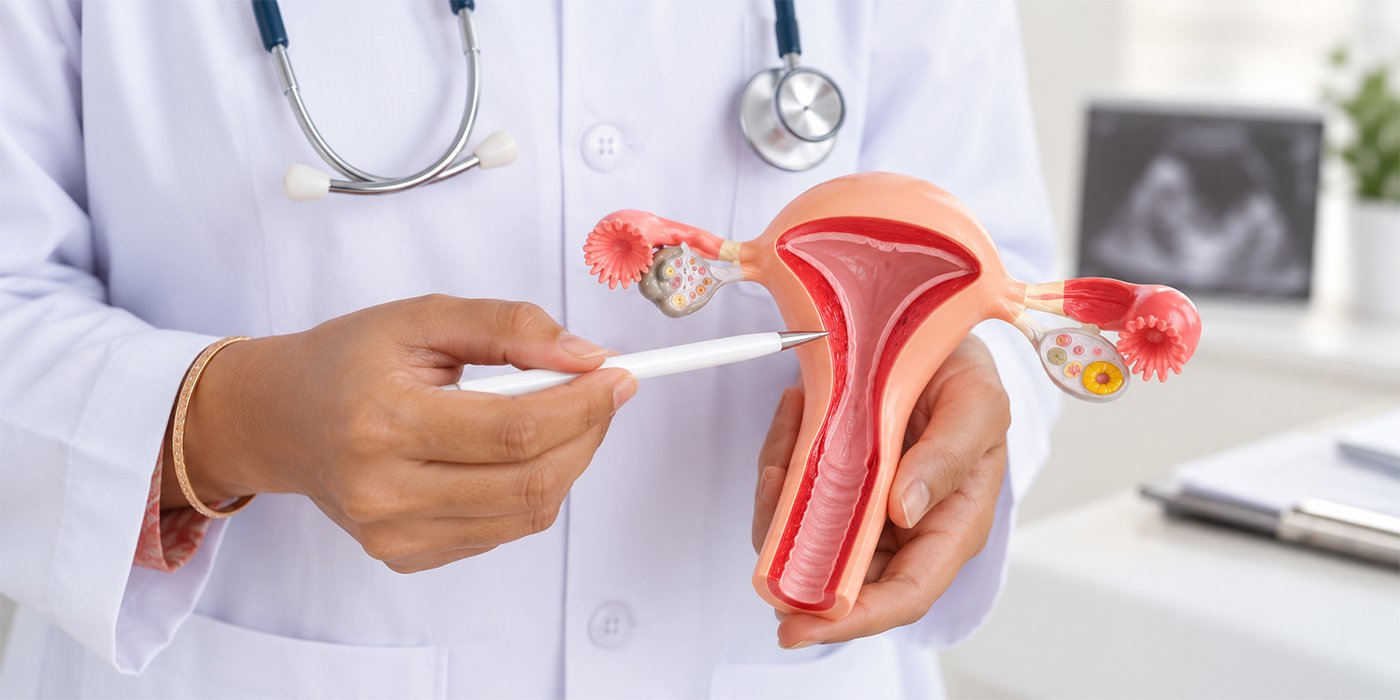

Fertility treatment usually centers on eggs, embryos, and hormones, but small details can have a big impact. Many women are surprised to find out that a thin layer of fluid inside the uterus can quietly affect implantation and IVF results, even when everything else seems “fine.”
Endometrial fluid does not always cause problems, but when it does, missing it can lead to delays and failed cycles that could have been avoided. Knowing about this issue helps patients ask the right questions and feel more confident about their treatment choices.
This guide explains the topic clearly and compassionately, helping you understand why addressing endometrial fluid matters in both natural conception and assisted fertility care.
Key Overview
- Endometrial fluid is a buildup of fluid inside the uterine cavity that can interfere with embryo implantation, even when hormone levels, eggs, and embryos appear normal.
- While endometrial fluid is not always harmful, persistent or untreated fluid can lower IVF success rates and may lead to delayed or cancelled embryo transfers.
- Common causes include infections, hydrosalpinx, tubal blockage, hormonal imbalance, or prior uterine procedures, making an accurate diagnosis essential before treatment.
- Timely evaluation and treatment of endometrial fluid can significantly improve fertility and IVF outcomes, especially when addressed before embryo transfer.
- With personalized monitoring and expert-led care, such as at an experienced IVF centre in Faridabad and Gurgaon, many women go on to achieve successful pregnancies despite this condition.
What Is Endometrial Fluid?
Endometrial fluid refers to the accumulation of fluid within the uterine cavity, the space where an embryo must implant to establish a pregnancy.
Where does it form?
- Inside the uterus, between the endometrial lining layers
- Often detected during ultrasound monitoring, especially in IVF cycles
Why is it monitored closely?
The uterine cavity is meant to be a warm, receptive, and stable environment. Excess fluid can:
- Physically interfere with embryo implantation
- Indicate underlying infection, inflammation, or tubal disease
- Reduce the chances of a successful pregnancy if left untreated
For this reason, fertility specialists pay close attention to even small amounts of fluid during treatment cycles.
Is Endometrial Fluid Always a Problem?
Not necessarily. The cause, amount, and timing of the fluid all matter.
When it may not be concerning:
- Very small, transient fluid that disappears before ovulation or embryo transfer
- Clear fluid without signs of infection or inflammation
When it becomes a concern:
- Persistent fluid is seen repeatedly in your scans
- Fluid present on the day of embryo transfer
- Fluid associated with infection, tubal disease, or repeated IVF failure
In short, endometrial fluid is not automatically harmful, but it should never be ignored without proper evaluation.
Causes of Endometrial Fluid in Females
Endometrial fluid is usually a symptom, not a disease itself. According to research, common causes of endometrial fluid include:
1. Uterine or Pelvic Infections
- Low-grade infections may not cause pain or fever
- Can lead to inflammatory fluid inside the uterus
2. Hydrosalpinx (fluid-filled fallopian tubes)
- Damaged or blocked tubes leak fluid back into the uterus
- One of the most IVF-impacting causes of endometrial fluid
3. Tubal Blockage
- Prevents normal drainage, leading to fluid accumulation
4. Hormonal Imbalance
- Estrogen and progesterone imbalance can disrupt endometrial absorption
5. Previous uterine procedures or surgeries
- D&C, fibroid surgery, or cesarean delivery may alter uterine dynamics
Understanding the root cause is essential before deciding on your treatment.
How Endometrial Fluid Affects Fertility & IVF Outcomes
For an embryo to implant, it needs a calm, stable surface to settle into. When fluid collects inside the uterus, it can make that environment less welcoming. In some cases, the fluid can physically disrupt the embryo’s ability to attach properly.
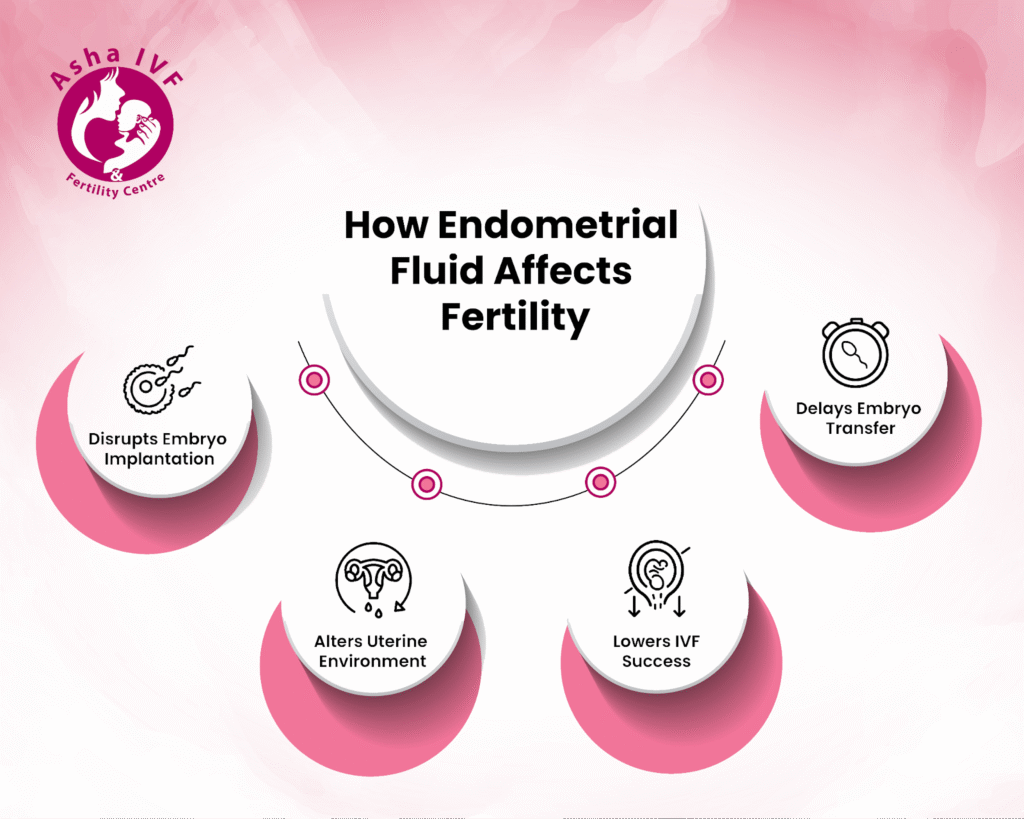
It can also change the natural chemical balance of your uterine lining, something the embryo relies on in those very early, delicate days after transfer.
When factors like endometrial fluid go undetected, they can contribute to repeated implantation failure, one of the reasons couples eventually face recurrent IVF failure and start exploring alternative fertility treatment options.
What does endometrial fluid mean during an IVF cycle?
If doctors notice endometrial fluid during IVF monitoring, they may suggest pausing or changing the cycle. This is not a setback but a way to protect your chances. Transferring an embryo when conditions are not right can reduce the chances of success, so specialists usually wait until the uterus is ready.
In some cases, embryos are safely frozen and transferred in a later cycle after the fluid has cleared. This gives them a better chance to implant.
Why is it important to treat fluid before starting IVF?
Studies show that IVF is less likely to succeed if there is endometrial fluid during embryo transfer, especially when the fluid is caused by infection or conditions such as hydrosalpinx.
This is why fertility specialists work to find and treat the cause of the fluid before continuing with IVF. Taking care of it early gives the best chance for a healthy implantation and pregnancy.
How Is Endometrial Fluid Diagnosed?
Diagnosis is usually straightforward and non-invasive.
Common diagnostic methods:
- Transvaginal Ultrasound
This is usually how fluid is first noticed. It’s a routine scan that clearly shows if any fluid has collected inside the uterus. - Hysteroscopy
If doctors need a closer look, this allows them to see inside the uterus directly and check for inflammation, scarring, or signs of infection. - Infection Screening
When infection is suspected, simple cervical or endometrial tests may be done to understand what’s causing the fluid and how best to treat it. - IVF Cycle Monitoring
During IVF, the uterus is closely monitored. Sometimes fluid appears temporarily during stimulation or just before embryo transfer, which doctors watch carefully. - Routine Fertility Scans
In many cases, endometrial fluid is picked up incidentally during regular fertility check-ups, often before it causes any symptoms. Often, fluid is first noticed incidentally during routine fertility scans.
Treatment Options for Endometrial Fluid
Treatment depends entirely on the underlying cause, not just the presence of fluid.
Evidence-based approaches include:
- Antibiotic Treatment
- Hormonal Therapy
- Surgical Intervention (when required)
- IVF Cycle Modification
Every patient is different, so personalized planning is important. At centres like Asha IVF, doctors closely monitor each person and adjust treatment based on how they respond. This way, the timing and approach fit the patient’s needs, not a set schedule.
Can You Still Get Pregnant with Endometrial Fluid?
The honest answer is, sometimes, yes. It really depends on why the fluid is there and when it appears.
Pregnancy may still be possible if the fluid is minimal, temporary, and clears up before ovulation or embryo transfer. In such cases, it may not significantly interfere with implantation.
Chances tend to be lower when the fluid is persistent, linked to infection or hydrosalpinx, or still present on the day of embryo transfer.
This is where careful monitoring matters. At centres like Asha IVF, early detection and personalized IVF planning help ensure that treatment moves forward only when the uterus is truly ready, improving the likelihood of successful outcomes.
When Should You Consult a Fertility Specialist?
You should seek an IVF specialist near you if you experience:
- Repeated IVF or IUI failures
- Fluid is repeatedly seen on ultrasound
- History of pelvic infection or tubal disease
- Delayed or cancelled embryo transfers
Couples seeking care at an experienced IVF centre in Faridabad often benefit from advanced diagnostics that identify subtle uterine factors early, before they affect success rates.
Choosing the Right Fertility Treatment for Female Patients
Good fertility care is about more than just checking hormone levels or egg counts. For women, it involves a careful look at the uterus and fallopian tubes, close monitoring of each cycle, and making decisions based on solid evidence. Sometimes, it also means waiting to transfer an embryo until the timing is best. A thoughtful treatment plan prepares the uterus with as much care as the embryo.
IVF centres in Gurgaon, such as Asha IVF, focus on accurate diagnosis, ethical treatment planning, and patient safety rather than rushing through treatment cycles.
Finding endometrial fluid may seem like a small issue, but early detection and proper treatment can lead to much better outcomes. With expert guidance and personalized care, many women achieve successful pregnancies.

FAQs
1. Is endometrial fluid always dangerous for fertility?
No. Small, temporary endometrial fluid may not affect fertility. Persistent fluid, especially during IVF, should be evaluated to understand the cause and plan appropriate treatment.
2. Can IVF succeed if endometrial fluid is present?
IVF success is lower when endometrial fluid is present during embryo transfer. Treating the fluid or modifying the cycle often improves implantation and pregnancy outcomes.
3. Does endometrial fluid always indicate an infection?
No. Endometrial fluid may be caused by infection, hormonal imbalance, tubal blockage, hydrosalpinx, or previous uterine procedures. Proper testing helps identify the exact cause.
4. Can endometrial fluid be treated without surgery?
Yes. Many cases resolve with antibiotics, hormonal support, or IVF cycle adjustments. Surgery is only recommended when conditions like hydrosalpinx or structural problems are present.
5. When should I consult a fertility specialist for endometrial fluid?
You should consult a fertility specialist if fluid appears repeatedly, IVF attempts have failed, or you’re planning fertility treatment for female patients at an ivf centre in Faridabad.