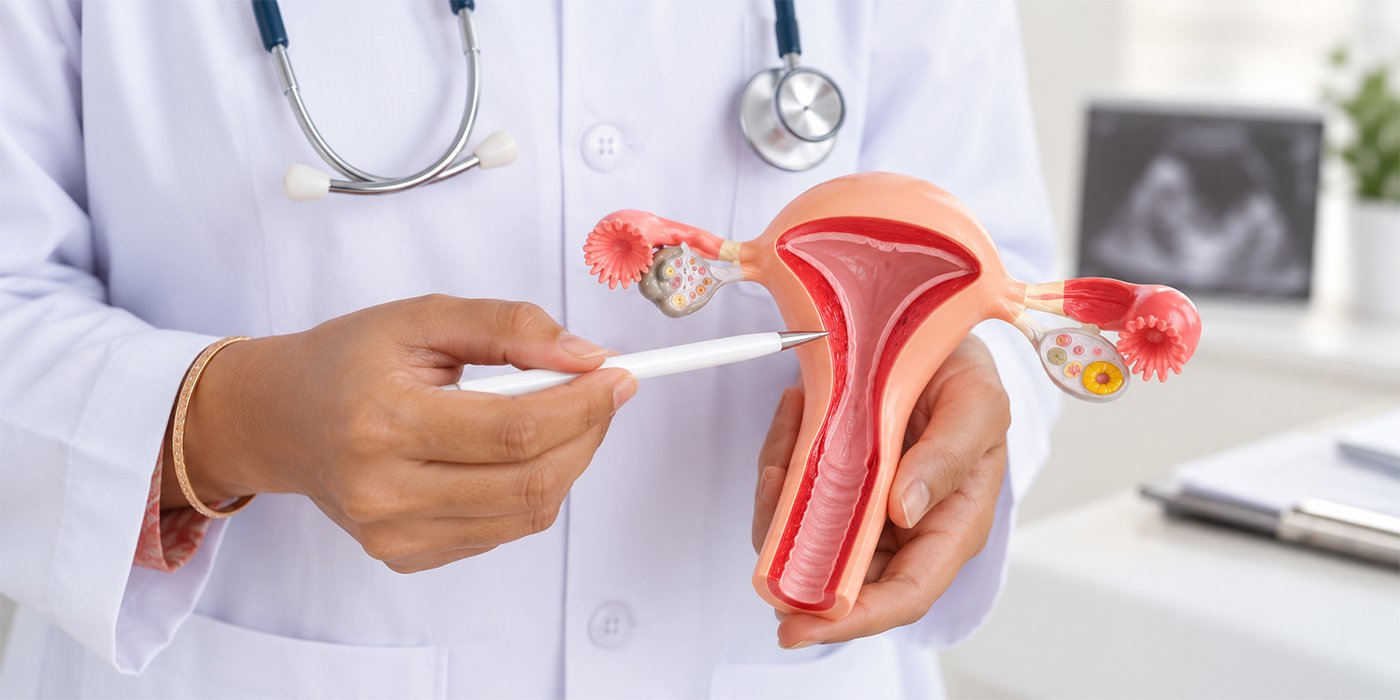

If you’ve ever spent the two-week wait overanalyzing every cramp, flutter, or tiny change in your body, you’re not alone. For women trying to conceive, naturally or through IVF, implantation is one of the most confusing and anxiety-filled parts of early pregnancy. It often feels like a hidden process happening deep inside your body, leaving you constantly wondering:
“Has the embryo implanted?”
“Are these signs of implantation or just PMS?”
“What exactly happens during the implantation stages?”
What many women don’t realize is that implantation isn’t a single event. It’s a gradual, beautifully timed process made up of 4 stages of implantation, each one crucial for helping a fertilized egg attach, grow, and become a healthy pregnancy.
Understanding these implantation stages can help you:
- Recognize early signs of implantation with more clarity
- Know what your body is actually doing during early pregnancy
- Feel more confident and informed during IVF implantation
- Reduce the stress, doubt, and emotional roller coaster of the two-week wait
So let’s lift the mystery and break down the 4 stages of implantation in the clearest, most reassuring way possible.
Key Overview
- The 4 stages of implantation, Apposition, Adhesion, Invasion, and Embedding, determine whether a fertilized egg successfully becomes a pregnancy.
- Implantation happens between days 6–10 after ovulation (or a few days post–IVF transfer).
- Early signs of implantation may include light cramping, spotting, fatigue, or breast tenderness.
- Successful implantation depends on embryo quality, hormone balance, and a receptive uterine lining.
- Understanding the implantation stages helps reduce anxiety and improves clarity during early pregnancy or IVF cycles.
What Is Implantation?
Implantation is the process where a fertilized egg, now called a blastocyst, travels from the fallopian tube to the uterus and attaches to the endometrium (uterine lining). This marks the true beginning of pregnancy.
Natural vs. IVF Implantation
- Natural conception: Fertilization happens in the fallopian tube, and the embryo reaches the uterus around day 5–6.
- IVF implantation: A similar process happens after embryo transfer. The embryo still needs to go through all implantation stages to establish pregnancy.
No matter how conception occurs, the embryo implantation process follows the same biological steps.
The 4 Stages of Implantation
Implantation doesn’t happen instantly. It is a gradual, highly coordinated process between the embryo and uterus, divided into Apposition, Adhesion, Invasion, and Embedding.

Stage 1: Apposition – The Embryo Arrives at the Uterus
The first stage begins when the embryo reaches the uterus and gently “floats” near the endometrial lining. Here, it searches for the ideal spot to settle.
What happens in this stage:
- The blastocyst positions itself close to the lining
- Light, loose contact forms between the embryo and the uterus
- The endometrium must be thick, warm, and receptive
- The embryo must be healthy and at the right developmental stage
A successful apposition depends largely on endometrial receptivity, which is why doctors monitor lining thickness in both natural and IVF cycles.
Stage 2: Adhesion – The Embryo Begins to Attach
Once the embryo finds a suitable place, it begins to attach more firmly.
During this stage:
- Specialized cells on the blastocyst surface help it stick to the uterine wall
- The endometrium responds by holding the embryo in place
- The connection becomes stable enough for the next step: invasion
Think of adhesion as the embryo saying, “This is home.”
This stage is especially important in implantation through IVF treatment, where the uterine environment is carefully monitored to ensure optimal conditions.
Stage 3: Invasion – The Embryo Embeds Deeper
This is the most active stage of the implantation stages. The blastocyst begins to burrow into the endometrium.
What happens now:
- Trophoblast cells (future placenta cells) multiply
- The embryo starts sinking deeper into the lining
- Blood vessels begin forming to nourish the embryo
- Early placenta development begins
This stage is crucial because it transforms an attached embryo into one receiving nourishment from the mother.
Stage 4: Embedding – Complete Implantation
TThis is the final stage of the 4 stages of implantation, where the embryo becomes fully embedded in the uterine lining.
During this stage:
- The embryo is securely covered by the endometrial tissue
- The placenta begins forming more rapidly
- The body starts releasing hCG (human chorionic gonadotropin), the hormone detected in pregnancy tests
- Early pregnancy symptoms may appear
Once embedding is complete, pregnancy has officially begun.
Signs and Symptoms of Implantation
Not every woman experiences noticeable symptoms, but the most common signs of implantation include:
1. Light Cramping
Mild pulling or twinges in the lower abdomen as the embryo attaches.
2. Implantation Bleeding
Light spotting or pink/brown discharge lasting 1–2 days. (Important: Not all women experience this.)
3. Breast Tenderness
Early hormonal changes can cause fullness or sensitivity.
4. Fatigue
Rising progesterone levels may make you feel unusually tired.
5. Mood Shifts
Hormones can cause emotional sensitivity.
These symptoms often overlap with PMS, so they are not a definite confirmation of pregnancy. However, they do offer clues into what your body may be experiencing.
When Should You Consult a Doctor?
Seek medical help if you experience:
- Heavy bleeding
- Severe cramps
- Foul-smelling discharge
- Fever or dizziness
These may indicate an unrelated medical issue.
How Long Does Implantation Take?
From ovulation or embryo transfer, implantation typically occurs:
- Natural conception: Days 6–10 after ovulation
- IVF: 1–5 days after embryo transfer (depending on embryo stage)
The entire embryo implantation process, from apposition to complete embedding, usually takes 3–4 days.
Factors That Affect Implantation Success
Several biological and lifestyle factors influence implantation outcomes.
1. Hormone Balance
Progesterone is crucial for a receptive uterine lining.
2. Endometrial Thickness
Ideal thickness is typically 8–14 mm for effective implantation.
3. Embryo Quality
Healthy embryos have a better chance of progressing through all four stages.
4. Uterine Health
Polyps, fibroids, or infections may reduce implantation success.
5. Age
Implantation rates generally decline after age 35.
6. Lifestyle
Smoking, excessive caffeine, alcohol, and high stress levels can negatively impact implantation.
7. IVF-Specific Factors
- Stimulated cycles
- ERA (Endometrial Receptivity Analysis) timing
- Lab conditions
- Embryo grading
Understanding these factors helps women prepare both physically and emotionally.
Tips to Support Healthy Implantation
You cannot control every part of implantation, but you can support your body to create optimal conditions.
1. Prioritize a Balanced Diet
Focus on folate, iron, omega-3s, and antioxidants.
2. Stay Hydrated
Healthy blood flow supports uterine receptivity.
3. Reduce Stress
Meditation, yoga, light walking, and proper rest can help.
4. Limit Caffeine and Avoid Smoking
Both can restrict blood flow to the uterus.
5. Take Your Prenatal Vitamins
These support hormone production and cell development.
6. Follow Medical Guidance
Especially important for women undergoing IVF cycles.
When to Take a Pregnancy Test After Implantation
A pregnancy test becomes reliable once hCG levels rise sufficiently.
Natural conception: Test 12–14 days after ovulation.
IVF: Follow your clinic’s advice, usually 10–14 days after embryo transfer. Testing too early may show a false negative because hCG levels are not yet detectable.
Conclusion
Understanding the 4 stages of implantation gives women clarity, confidence, and a sense of control during one of the most delicate phases of early pregnancy. Whether you’re tracking your natural cycle, preparing for IVF, or simply trying to understand what your body is doing, knowing how implantation works helps you interpret symptoms, manage expectations, and stay emotionally grounded.
If you’re struggling to conceive or want expert guidance on implantation, IVF, or early pregnancy, the specialists at Asha IVF & Fertility Centre provide compassionate, science-backed support tailored to your unique journey. Sometimes, the right information and the right medical team can make all the difference.

FAQ
1. What are the key signs during each of the 4 stages of implantation?
Most women do not feel every stage distinctly, but some may notice subtle changes. During Apposition and Adhesion, signs are usually minimal. In the Invasion and Embedding stages, women may experience light cramping, mild spotting, breast tenderness, increased fatigue, or mood changes. These are common signs of implantation, though many healthy pregnancies show no noticeable symptoms at all.
2. What are the 4 stages of embryo implantation?
The 4 stages of implantation include:
- Apposition – The embryo reaches the uterus and positions itself near the endometrium.
- Adhesion – The embryo begins to attach more firmly to the uterine lining.
- Invasion – The embryo burrows deeper as early placenta cells develop.
- Embedding – Complete implantation occurs, and the body starts producing hCG.
These implantation stages are essential for a pregnancy to establish successfully.
3. Which fertility clinics in India offer detailed guidance on the 4 stages of implantation?
Many fertility centers provide general information, but few offer personalized, stage-by-stage guidance. Asha IVF & Fertility Centre is known for its supportive, expert-driven approach, helping women understand the embryo implantation process, early pregnancy symptoms, and IVF-specific implantation timing through one-on-one consultations and tailored treatment plans.
4. Can I schedule a consultation with a fertility specialist to understand the 4 stages of implantation?
Absolutely. If you want clarity on the 4 stages of implantation, potential symptoms, or how implantation works in IVF cycles, you can schedule a consultation with experienced specialists at Asha IVF. They provide customized evaluations and clear explanations to help you feel informed and confident during your fertility journey.
5. What are the common symptoms during each of the 4 stages of implantation?
Symptoms vary widely, but common ones include:
- Early stages (Apposition & Adhesion): Usually no noticeable symptoms.
- Later stages (Invasion & Embedding): Mild cramping, light spotting, slight breast tenderness, fatigue, or increased sensitivity due to rising progesterone levels.
Remember, not experiencing symptoms is completely normal, and the only reliable confirmation of implantation is a pregnancy test taken at the right time.